Camping and hiking are about getting off the grid, fresh air, long trails, mountain water, and nights under open skies. But while the outdoors feels clean and pure, it also exposes your body to a wide range of natural bacteria, fungi, insects, and environmental irritants that can build up quickly on the skin. Dirt, sweat, plant contact, animal exposure, and shared campsite surfaces all create conditions where skin irritation or infection can develop if proper hygiene is ignored.
Unlike controlled environments, the outdoors is unpredictable. Hikers and campers are constantly exposed to soil microbes, stagnant water sources, and plant matter that can irritate the skin or enter small cuts and abrasions. Even something as simple as brushing against vegetation, sweating through a long hike, or sleeping in warm conditions can leave the skin vulnerable. Studies on outdoor exposure environments show that natural settings can still contain microorganisms capable of causing skin irritation or infection when they interact with broken skin or prolonged moisture exposure (Environmental Health Perspectives, 2021).
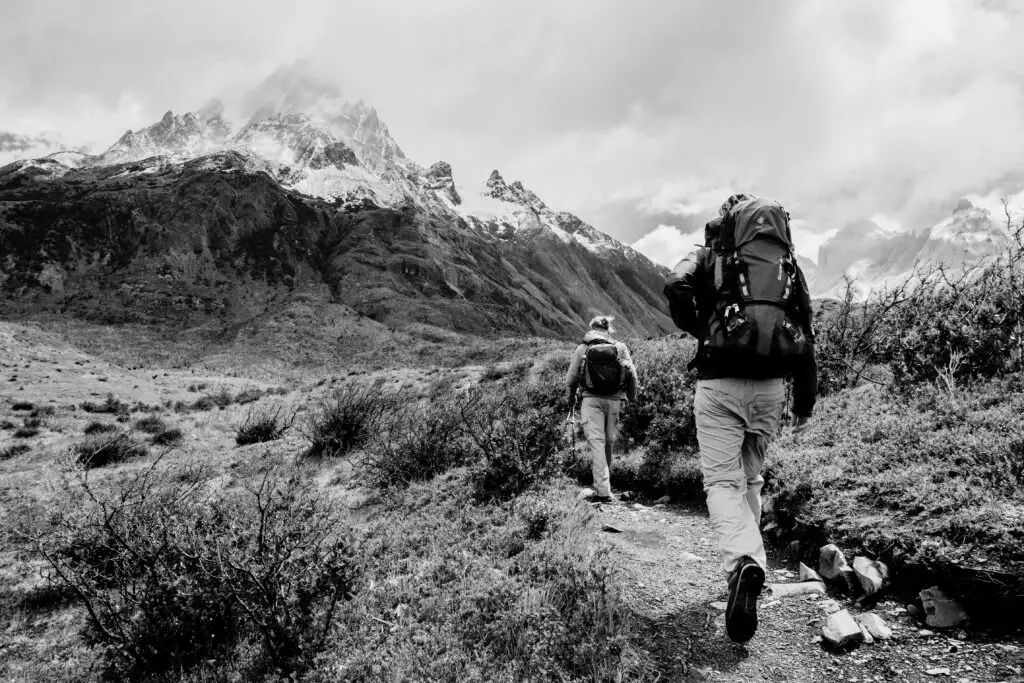
Camping also introduces extended periods without bathing, which allows sweat, bacteria, and environmental debris to build up on the skin. Over time, this can contribute to odor, irritation, and increased risk of minor infections—especially in areas where friction occurs, such as under backpack straps, feet inside hiking boots, and areas exposed to repeated moisture. For serious hikers and backpackers, hygiene isn’t just about comfort—it’s about maintaining skin health on multi-day trips.
This is where natural ingredients like tea tree oil become especially valuable. Tea tree oil (Melaleuca alternifolia) has been widely studied for its antimicrobial and antifungal properties. Research has shown that it can help inhibit the growth of bacteria such as Staphylococcus aureus and support overall skin cleanliness in environments where microbial exposure is high (Carson et al., 2006). It has also demonstrated antifungal activity that may help reduce the risk of fungal skin conditions that can develop in warm, moist environments like hiking boots or damp clothing (Hammer et al., 1999).
Eucalyptus oil is another powerful ingredient for outdoor-focused skincare. Known for its antibacterial activity and refreshing scent, eucalyptus oil has been shown in research to help reduce microbial presence while also providing a cooling, soothing effect on stressed skin (Sadlon & Lamson, 2010). After long hikes in heat, dust, or humidity, eucalyptus helps reset the skin and remove buildup from environmental exposure.
While no soap can prevent or treat medical conditions, hygiene plays an important role in reducing skin irritation and infection risk—especially in outdoor environments where exposure is constant and bathing opportunities are limited (CDC, 2023). Keeping skin clean during multi-day hikes or camping trips helps support recovery, comfort, and overall endurance in the field.
At Rollins Soap Co., we build soap for men who don’t stay indoors. Our products are designed for those who hike long trails, camp deep in the backcountry, and push through outdoor environments where standard hygiene routines don’t apply. Using ingredients like tea tree oil and eucalyptus oil, we focus on natural cleansing power that supports active, outdoor-driven lifestyles.
Camping and hiking will always involve dirt, sweat, and exposure to the elements—but your recovery routine matters. A strong post-adventure wash helps keep your skin clean, comfortable, and ready for the next trail.
Train outside. Live outside. Clean smarter. Stay ready.
References
Carson, C. F., Hammer, K. A., & Riley, T. V. (2006). Melaleuca alternifolia (Tea Tree) Oil: A Review of Antimicrobial and Other Medicinal Properties. Clinical Microbiology Reviews, 19(1), 50–62. https://doi.org/10.1128/CMR.19.1.50-62.2006
Hammer, K. A., Carson, C. F., & Riley, T. V. (1999). Antimicrobial activity of essential oils and other plant extracts. Journal of Applied Microbiology, 86(6), 985–990. https://doi.org/10.1046/j.1365-2672.1999.00780.x
Sadlon, A. E., & Lamson, D. W. (2010). Immune-modifying and antimicrobial effects of eucalyptus oil. Alternative Medicine Review, 15(1), 33–47.
Centers for Disease Control and Prevention (CDC). (2023). General hygiene and infection prevention in outdoor and travel environments. U.S. Department of Health & Human Services. https://www.cdc.gov/
Environmental Health Perspectives. (2021). Microbial exposure in natural outdoor environments and human skin interaction. National Institute of Environmental Health Science